How Fire Alarm Systems Work
Understanding the components and operation of modern fire alarm systems, from detection to notification.
Learn about fire safety systems, best practices, and industry knowledge
from our experts
Stay informed with our comprehensive guides and expert insights on fire safety
systems and best practices
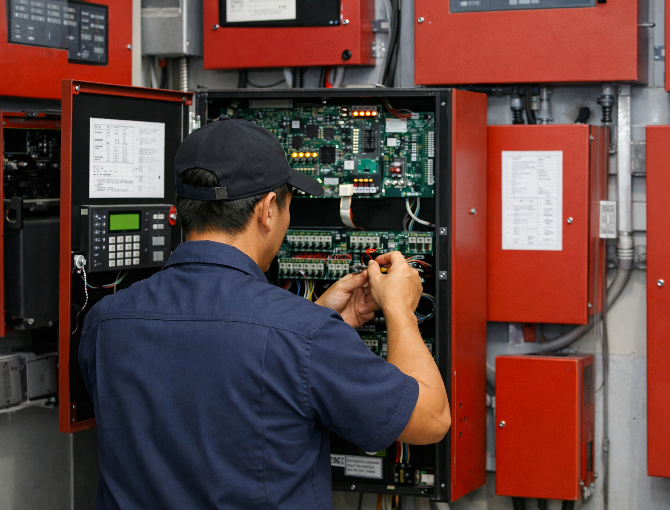
Understanding the components and operation of modern fire alarm systems, from detection to notification.
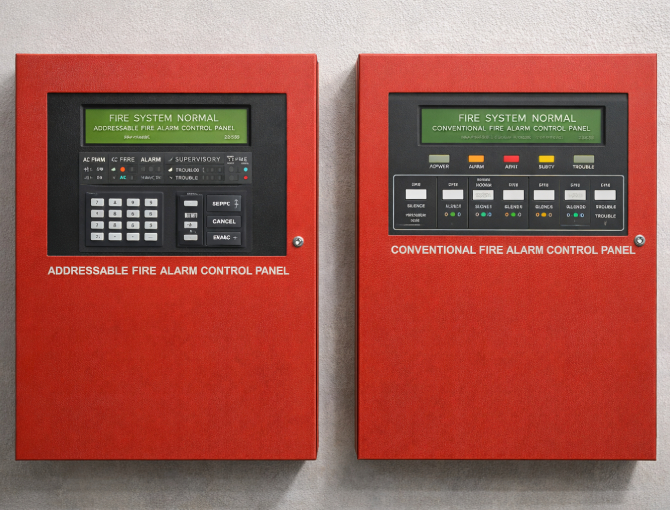
Compare the differences, advantages, and applications of conventional and addressable fire alarm systems.

Learn about wet chemical suppression systems designed specifically for commercial kitchen fire protection.
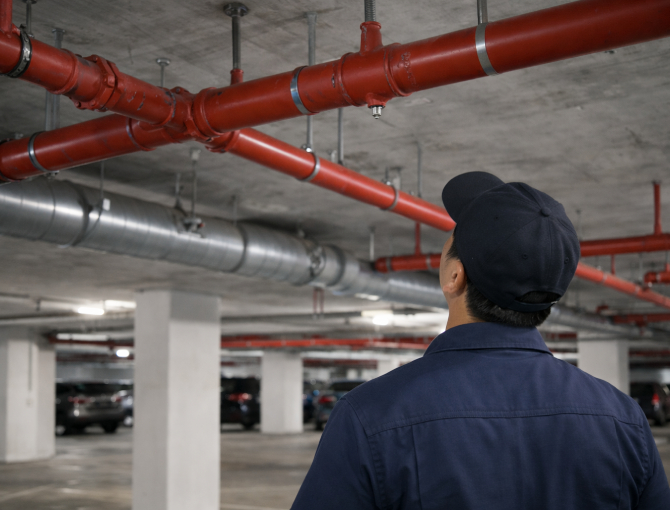
Explore different types of fire sprinkler systems including wet, dry, pre-action, and deluge systems.

Overview of key NFPA standards for fire protection systems and ensuring compliance in your facility.

Essential maintenance procedures to keep your fire safety systems operating at peak performance.
Fire alarm systems are critical life safety systems designed to detect fires early and alert building occupants to evacuate. Modern fire alarm systems consist of several key components working together to provide comprehensive protection.
Smoke detectors use either photoelectric or ionization technology to sense smoke particles. Photoelectric detectors use a light beam and sensor - when smoke enters the chamber, it scatters the light onto the sensor, triggering the alarm. Ionization detectors use a small amount of radioactive material to ionize air molecules, and smoke particles disrupt this current.
Heat detectors respond to temperature changes and are ideal for areas where smoke detectors might cause false alarms, such as kitchens or garages. They can be either fixed-temperature or rate-of-rise types.
When a detector senses fire conditions, it sends a signal to the FACP. The panel processes this information, verifies the alarm condition, and activates the appropriate notification appliances. In addressable systems, the panel can identify the exact location of the activated device, allowing for faster emergency response.
Modern systems also interface with building management systems, automatically shutting down HVAC systems to prevent smoke spread, unlocking doors for evacuation, and notifying emergency services.
Choosing between conventional and addressable fire alarm systems depends on building size, complexity, and budget. Each system type has distinct advantages and ideal applications.
Conventional systems divide buildings into zones, with multiple devices connected to each zone circuit. When a device activates, the panel indicates which zone has the alarm, but not the specific device.
For small buildings with simple layouts, conventional systems offer cost-effective protection. However, addressable systems provide superior monitoring, faster emergency response, and long-term cost savings for larger or more complex facilities.
Commercial kitchens face unique fire hazards from cooking oils and high-temperature equipment. Wet chemical suppression systems provide specialized protection designed specifically for these environments.
Traditional dry chemical systems can't effectively suppress cooking oil fires. When cooking oils reach their auto-ignition temperature, they can reignite even after the flames are extinguished. Wet chemical agents create a cooling effect and form a barrier between the fuel and oxygen, preventing re-ignition.
When activated, the system performs several critical functions simultaneously:
Wet chemical agents contain potassium-based compounds that react with cooking oils through a process called saponification. This reaction converts the oil into a soapy foam that cools the surface and creates a vapor-suppressing barrier, preventing re-ignition.
Regular maintenance is crucial for system reliability. This includes semi-annual inspections of all components, annual professional servicing, and immediate recharge after any activation. Fusible links must be replaced regularly and kept clean of grease buildup.
Fire sprinkler systems are among the most effective fire protection measures available. Different system types are designed for specific applications and environmental conditions.
The most common and reliable type, wet pipe systems keep water under pressure in the pipes at all times. When a sprinkler head is activated by heat, water immediately discharges.
Dry pipe systems use pressurized air or nitrogen instead of water in the pipes. When a sprinkler activates, the air pressure drops, allowing a valve to open and water to flow into the pipes and out the opened sprinkler.
Pre-action systems combine features of wet and dry systems. Pipes are normally dry, but water is held back by an electrically operated valve. The system requires two triggers: fire detection system activation AND sprinkler head activation before water discharges.
Deluge systems use open sprinkler heads without heat-sensitive elements. All heads discharge simultaneously when the system is activated by a fire detection system.
System selection depends on building occupancy, contents, environmental conditions, and specific fire hazards. Professional fire protection engineers evaluate these factors to recommend the most appropriate system type for each application.

The National Fire Protection Association (NFPA) develops and publishes codes and standards that form the foundation of fire safety requirements worldwide. Understanding and complying with these standards is essential for building safety and legal compliance.
NFPA 72: National Fire Alarm and Signaling Code
This comprehensive standard covers the installation, performance, testing, and maintenance of fire alarm systems. It addresses system design, equipment requirements, and inspection procedures.
While NFPA develops standards, local authorities having jurisdiction (AHJs) adopt and enforce them. Requirements may vary by location, and some jurisdictions modify standards or adopt specific editions. Always verify local requirements with your AHJ.

Regular maintenance is critical for ensuring fire safety systems function properly when needed. A well-maintained system provides reliable protection and helps avoid costly emergency repairs.